The Guide to a Stress-Free DOT Inspection
-
Mar 31, 2026
-
1,804
Nothing spikes a commercial driver's heart rate quite like the neon "Pull In" sign lighting up at a highway weigh station. As a former State Trooper and DOT inspector, I have conducted hundreds of inspections. I can tell you truthfully that we aren't out to ruin your day—we are looking for obvious, preventable safety hazards that put the public at risk. A stress-free DOT inspection doesn't happen at the scales; it starts long before you turn the ignition.
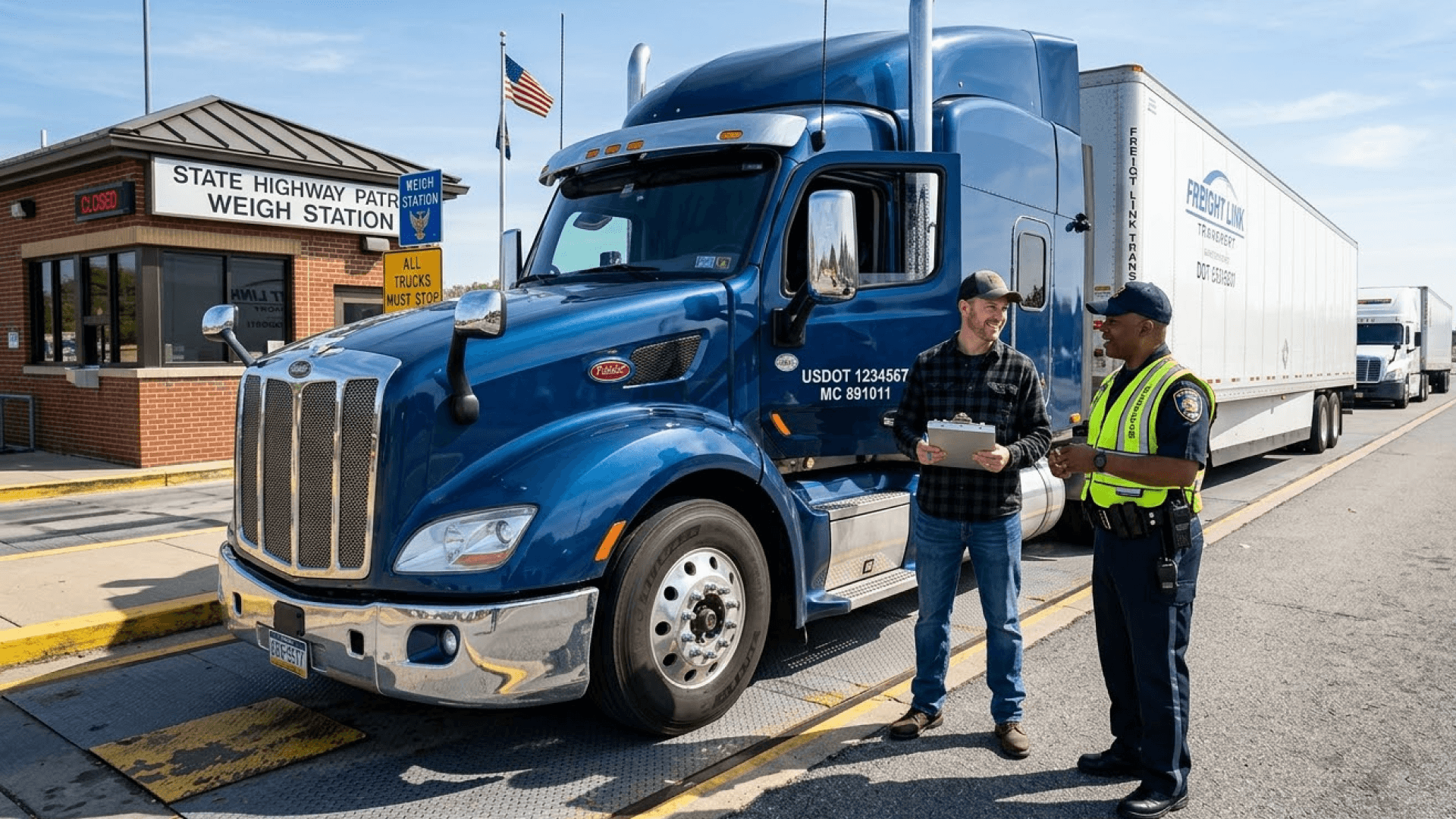
1. The Pre-Trip is Your Best Defense The vast majority of Level 1 and Level 2 inspection violations are easily preventable. Inspectors are trained to look for "low-hanging fruit." Worn tire tread (less than 4/32 of an inch on steers), chafed air brake hoses rubbing against the catwalk, audible air leaks, and burnt-out marker lights are giant red flags. If we see a truck with a headlight out, we assume the driver doesn't care about maintenance, which prompts a deeper dive. If you catch these issues during your mandatory morning pre-trip inspection and get them fixed, you drastically reduce your chances of being pulled into the inspection bay.
2. Master Your Paperwork and ELD When an officer steps up to your window, they want to see your credentials immediately. Have your CDL, valid medical examiner's certificate (Fed-Med card), truck registration, and insurance ready. More importantly, you must know how to operate your Electronic Logging Device (ELD).
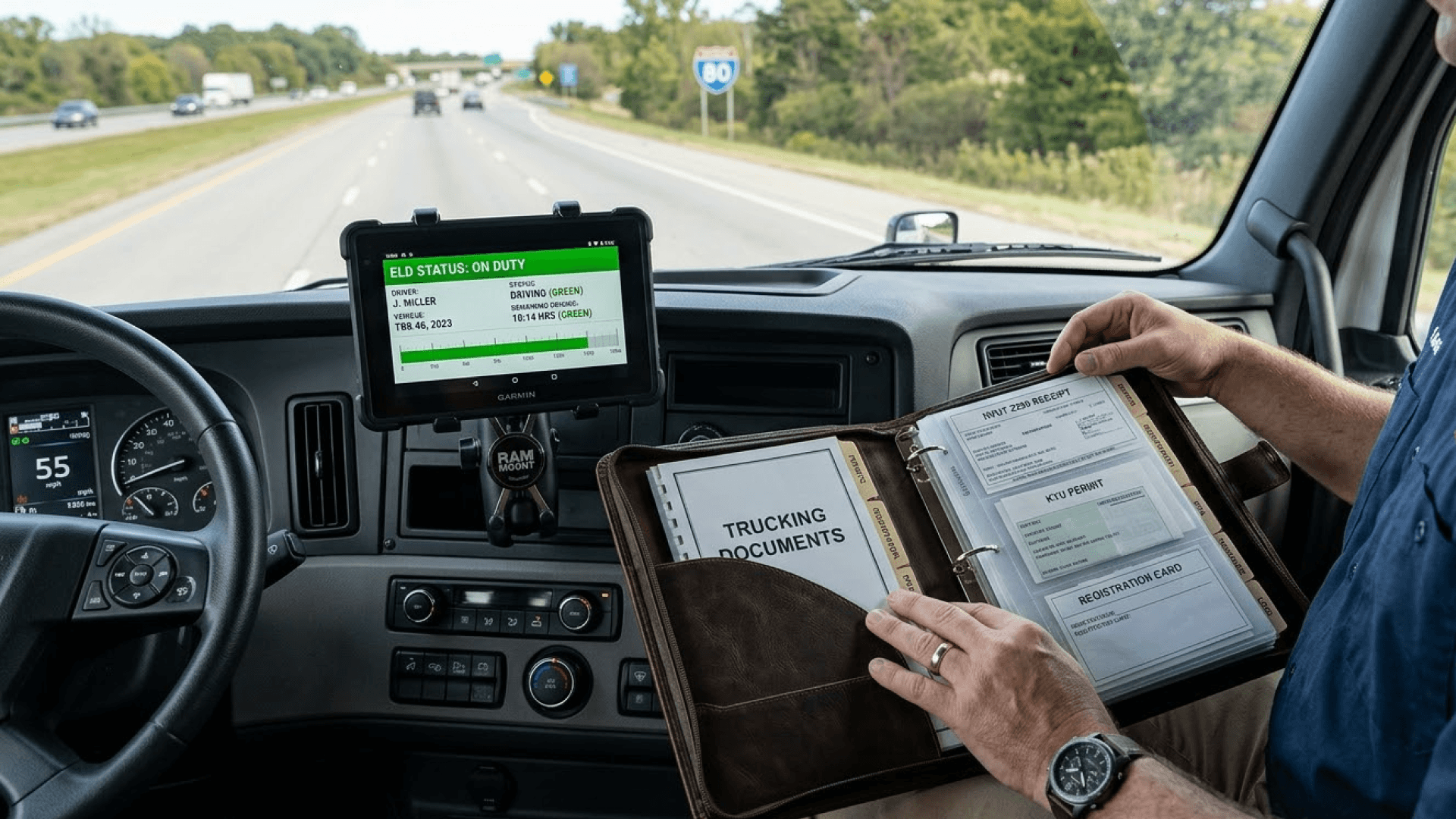
You are required by law to carry blank paper logs as a backup and the ELD instruction manual. I have put drivers Out of Service (OOS) simply because they didn't know how to transfer their digital log data to my system. Keep your documents in a dedicated, clean binder. A dashboard covered in fast-food wrappers and energy drink cans subconsciously tells the inspector that your maintenance might be just as messy.
3. Professionalism and Attitude Attitude dictates the flow of the inspection. Greet the officer politely. Keep your hands on the steering wheel where they can be seen. If the inspector finds a minor issue, acknowledge it professionally and ask for advice on correcting it. Arguing, acting aggressively, or rolling your eyes only guarantees a more thorough, microscopic search of your equipment. Treat your logbook and your equipment with respect, and you will earn the CVSA decal that lets you bypass future scales with ease.
Popular Posts
-
 The Art of Negotiating with Dispatchers Apr 16, 2026
 -
 Dry Van vs Reefer: Choosing Your Freight Path Mar 28, 2026
 -

-
 The Ultimate Guide for Beginner Freight Brokers Apr 06, 2026
 -
 The Guide to a Stress-Free DOT Inspection Mar 31, 2026