The Ultimate Guide for Beginner Freight Brokers
-
Apr 06, 2026
-
1,951
Starting a career as a freight broker can often feel like swimming with sharks in a turbulent ocean. Your entire business model relies on a delicate balancing act: you must connect demanding shippers who want cheap rates with reliable motor carriers who want high pay. For beginners, the greatest challenge isn't merely finding trucks to move the freight—it's finding high-quality, compliant trucks that won't destroy your reputation

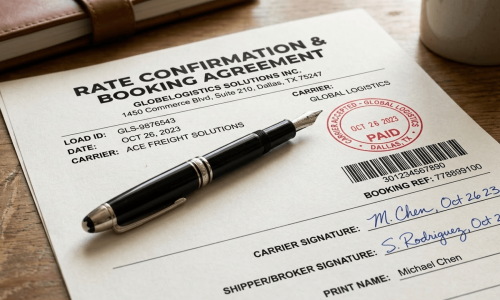
1. The Art of Carrier Vetting Never, ever book a carrier based on their rate alone. A cheap truck is often cheap for a reason. Before you send a Rate Confirmation, you must thoroughly vet the carrier. Use software tools like Carrier411 or RMIS to check their FMCSA safety record, their Out of Service (OOS) percentages, and reports from other brokers.
Verify that their auto liability and cargo insurance are active and adequate for the specific value of your shipper's freight. A cheap, unvetted carrier who damages a $100,000 load of electronics, or worse, holds the freight hostage (double brokering), will cost you your customer permanently. Always have contingent cargo insurance to protect your brokerage.
2. Build Relationships, Not Just Transactions The spot market is inherently transactional, but the most successful, high-grossing brokers build dedicated, loyal carrier bases. If a dispatcher and their driver do an exceptional job—arriving on time, tracking properly via Macropoint, and communicating well—call them back!

Offer them dedicated lanes. Pay them fairly, and ensure your factoring company or accounting department pays them quickly. When the market flips, capacity gets tight, and trucks are impossible to find, those loyal carriers are the ones who will step up and save your critical loads.
3. Radical Transparency Wins Do not lie to carriers about the weight of the freight, the dimensions, or the appointment times just to get the load covered. If a load is a heavy 44,000 lbs, or if the receiving warehouse is notoriously slow and takes 6 hours to unload, tell the carrier upfront. Honesty builds trust. A successful freight brokerage isn’t built on tricking people into taking bad freight; it’s built on transparency, problem-solving, and mutual respect.
Related Blog Posts
Popular Posts
-
 The Art of Negotiating with Dispatchers Apr 16, 2026
 -
 Dry Van vs Reefer: Choosing Your Freight Path Mar 28, 2026
 -

-
 The Ultimate Guide for Beginner Freight Brokers Apr 06, 2026
 -
 The Guide to a Stress-Free DOT Inspection Mar 31, 2026