Dry Van vs Reefer: Choosing Your Freight Path
-
Mar 28, 2026
-
2,294
When starting your commercial driving career, the first major specialization decision you make is usually between hauling a standard Dry Van or a Refrigerated trailer (Reefer). Both subcategories have their unique operational workflows, shipper networks, and financial structures. Choosing the right one depends entirely on your patience, your tolerance for noise, and your long-term earning goals.
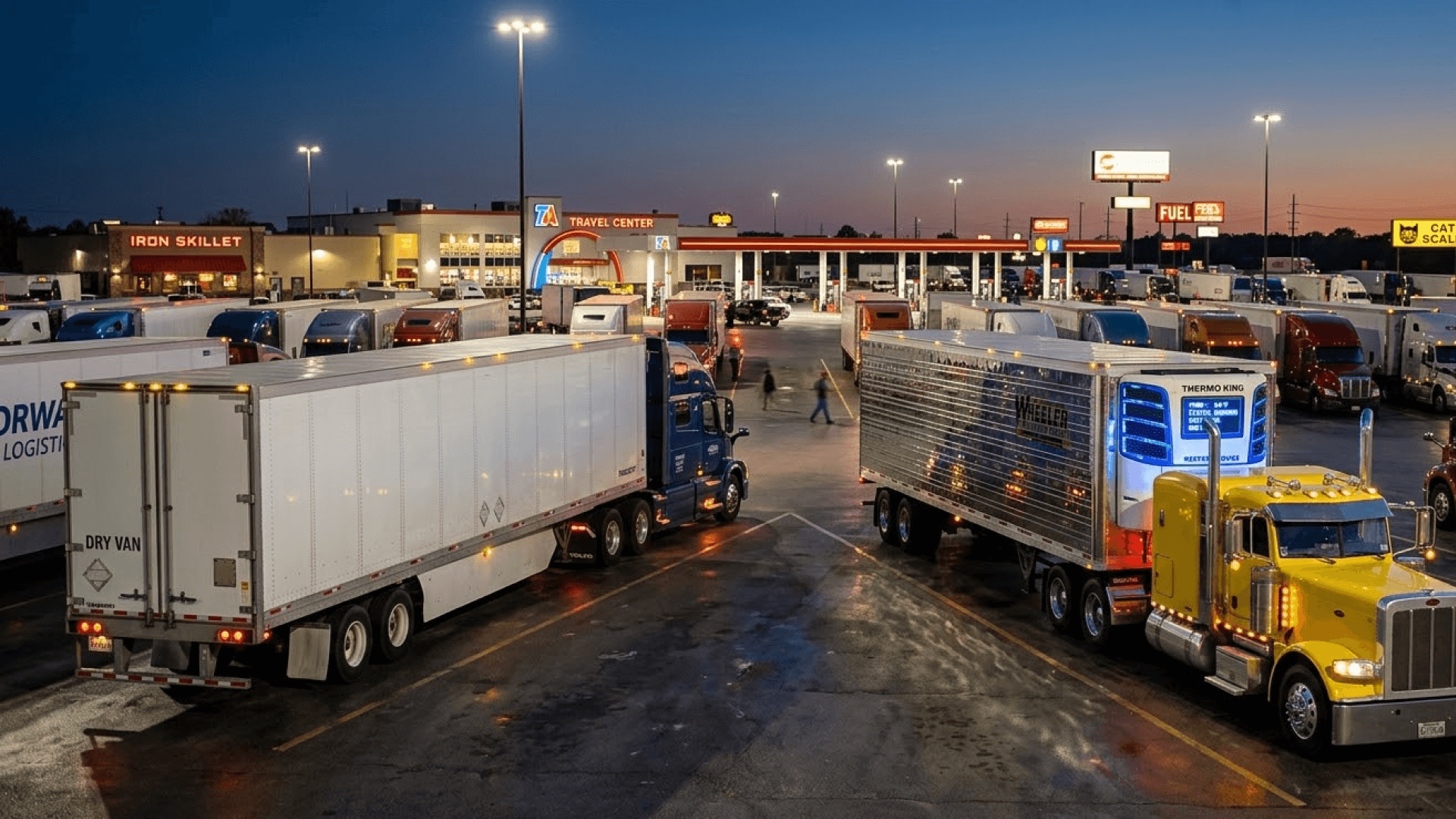
Dry Van: The Beginner's Best Friend Dry van is the backbone of the American supply chain and the most accessible freight type. It involves hauling non-perishable goods—everything from electronics and clothing to toilet paper and automotive parts.
The Advantages: "Drop-and-hook" loads are incredibly common in the dry van sector. This means you simply drop an empty trailer at a warehouse, hook up to a pre-loaded one, and hit the road. It minimizes unpaid waiting time. Furthermore, you don't have to monitor temperature settings, refuel a separate trailer tank, or deal with the constant, vibrating hum of a reefer motor while you try to sleep in the berth.
The Disadvantages: Because the barrier to entry is low, the dry van market is highly saturated with capacity. When the spot market dips, dry van rates are usually the first to plummet.
Reefer: Patience Pays Off Refrigerated freight involves transporting temperature-sensitive goods, such as fresh produce, frozen meats, pharmaceuticals, and even certain chemicals.
The Advantages: Reefer freight is practically recession-proof. Regardless of the economy, people always need to eat, and hospitals always need medicine. Because of the added liability and the cost of running the refrigeration unit, reefer rates are typically significantly higher per mile.
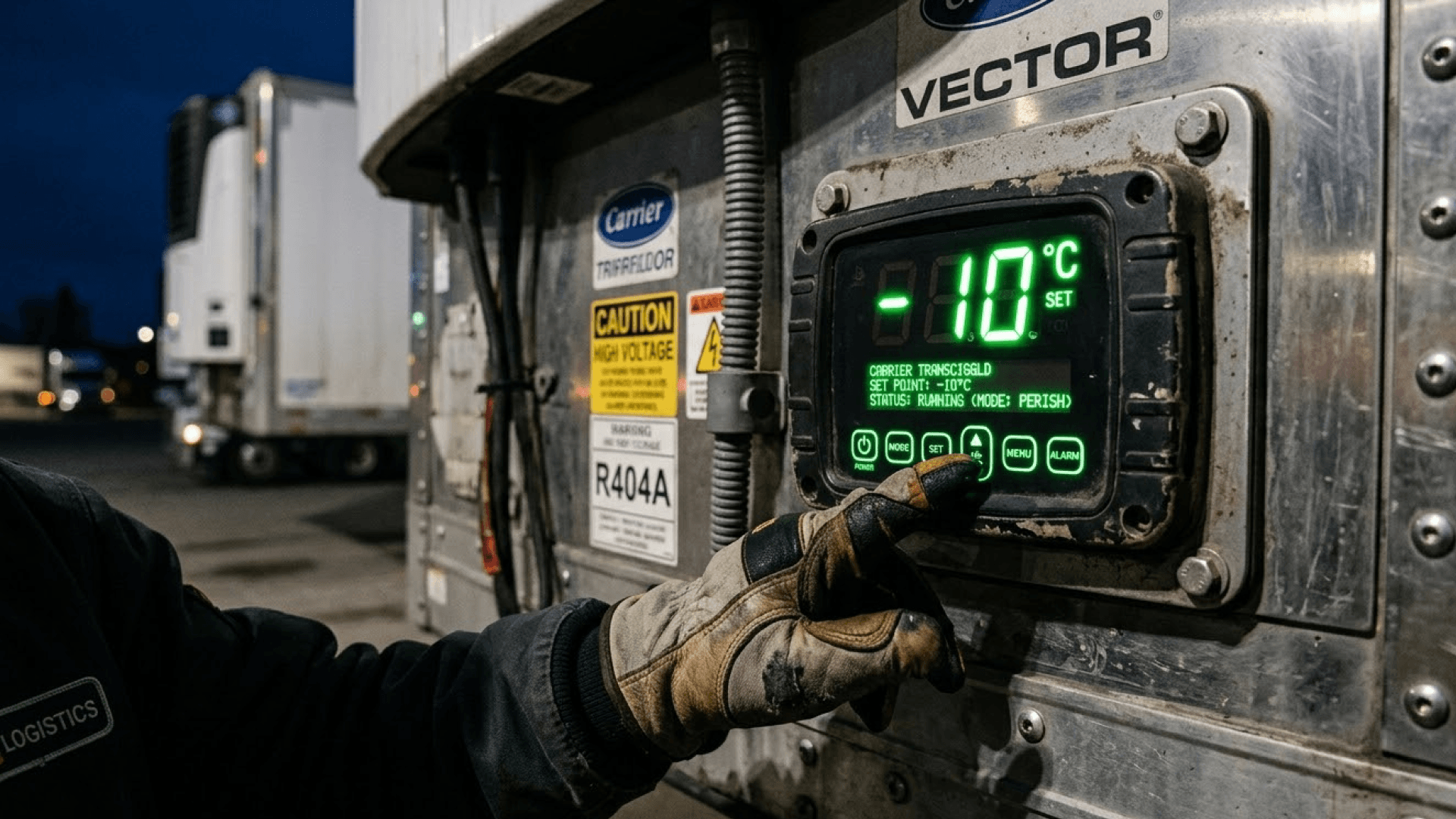
The Disadvantages: Be prepared to test your patience. Grocery distribution centers are notorious for horrific wait times; it is not uncommon to sit at a dock for 6 to 8 hours. You will also frequently deal with "lumper" services (third-party workers you must pay to unload your trailer) and strict appointment windows. Additionally, after hauling messy freight like raw chicken, you must find a commercial truck wash to do a "washout" before your next pickup, which eats into your driving clock.
For absolute beginners who want to master driving a 70-foot vehicle without extra distractions, Dry Van is ideal. But if you want a recession-proof niche, higher pay, and don't mind the chaos of grocery warehouses, Reefer is the superior path.
Related Blog Posts


Popular Posts
-
 The Art of Negotiating with Dispatchers Apr 16, 2026
 -
 Dry Van vs Reefer: Choosing Your Freight Path Mar 28, 2026
 -

-
 The Ultimate Guide for Beginner Freight Brokers Apr 06, 2026
 -
 The Guide to a Stress-Free DOT Inspection Mar 31, 2026